
Scopri come lanciare un brand di tablet per la pulizia: costi, produttori private label, formulazione, MOQ e marketing. Dati reali, passo dopo passo.
Hai visto il tablet solubile di un concorrente accumulare 4.000 recensioni a cinque stelle e hai pensato: "Potrei creare una versione migliore." Poi hai iniziato a valutare i costi dei primi lotti, hai scoperto produttori che richiedono 10.000 unità e hai capito che nessuno spiega davvero in quale ordine dovresti fare le cose.
Il passaggio dalle ingombranti bombolette spray in plastica alle compresse concentrate da sciogliere in acqua è uno dei cambiamenti più netti nei consumi per la cura della casa dell’ultimo decennio. La vera domanda non è se entrare nella categoria. È sapere esattamente quali passaggi eroderanno silenziosamente il budget prima ancora di aver venduto una singola unità.
Punti chiave
- Prevedi un budget di $18,000–$45,000 per arrivare a uno SKU pronto al lancio, a seconda che tu scelga il private label o la realizzazione di una formula personalizzata.
- La formulazione e il reperimento del produttore richiedono la maggior parte del tempo di calendario — non il marketing. Pianifica qui da solo 3–4 mesi.
- L’etichettatura normativa è il punto in cui i principianti bruciano denaro. La parola "disinfects" può attivare una registrazione federale con costi di decine di migliaia di dollari.
- Il tuo margine vive nel refill, non nella prima vendita. Modella prima di tutto il costo per compressa.
- La vera differenziazione deriva dal formato e dal meccanismo di ricarica, non da un claim verde appiccicato sulla confezione.
- I MOQ del primo ordine si collocano in genere tra 5,000–10,000 compresse. Ordinare eccessive varianti di fragranza è la classica trappola del primo lancio.
Cos’è davvero un’attività di compresse per la pulizia (e perché il modello funziona)
Nel suo nucleo, un’attività di compresse per la pulizia vende un prodotto concentrato e solubile che il cliente inserisce in una bottiglia riutilizzabile riempita con acqua del rubinetto. La bottiglia resta; sparisce il rifiuto di plastica dovuto alla spedizione di liquidi pre-diluiti. Questo è l’intero messaggio, ed è molto valido.
Perché il modello funziona dal punto di vista commerciale? Un detergente liquido multiuso è composto per circa il 95% da acqua in peso. Spedire acqua in tutto il paese è costoso e pesante. Una compressa elimina tutto questo, quindi il tuo costo di trasporto per "bottiglia di detergente" crolla e il prodotto entra in una busta imbottita invece che in una scatola di cartone ondulato.
Tre tipi di compresse dominano lo scaffale. L’acquirente raramente si preoccupa di quale stia usando — gli importa quanto rapidamente frizza e se la superficie lascia aloni dopo l’uso.
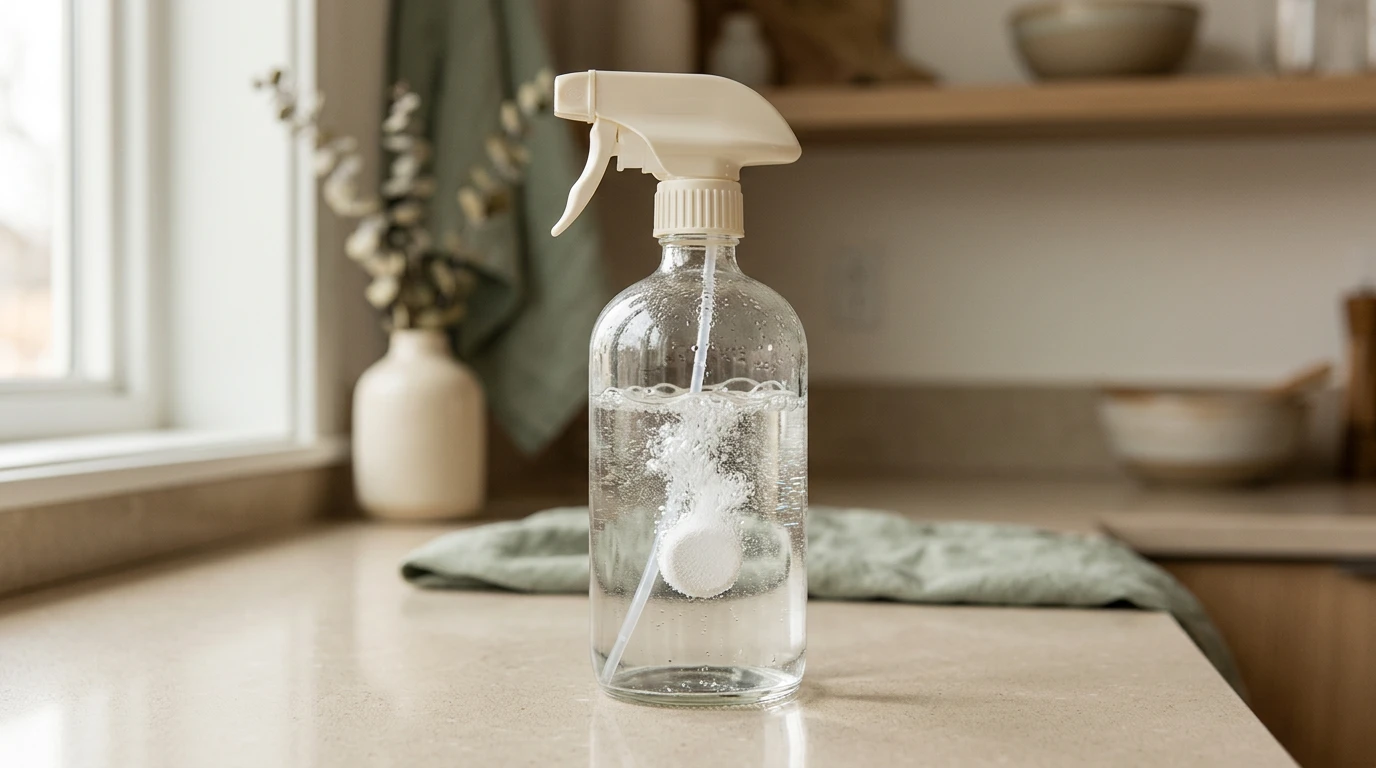
Compresse effervescenti vs. compresse compresse vs. compresse incapsulate
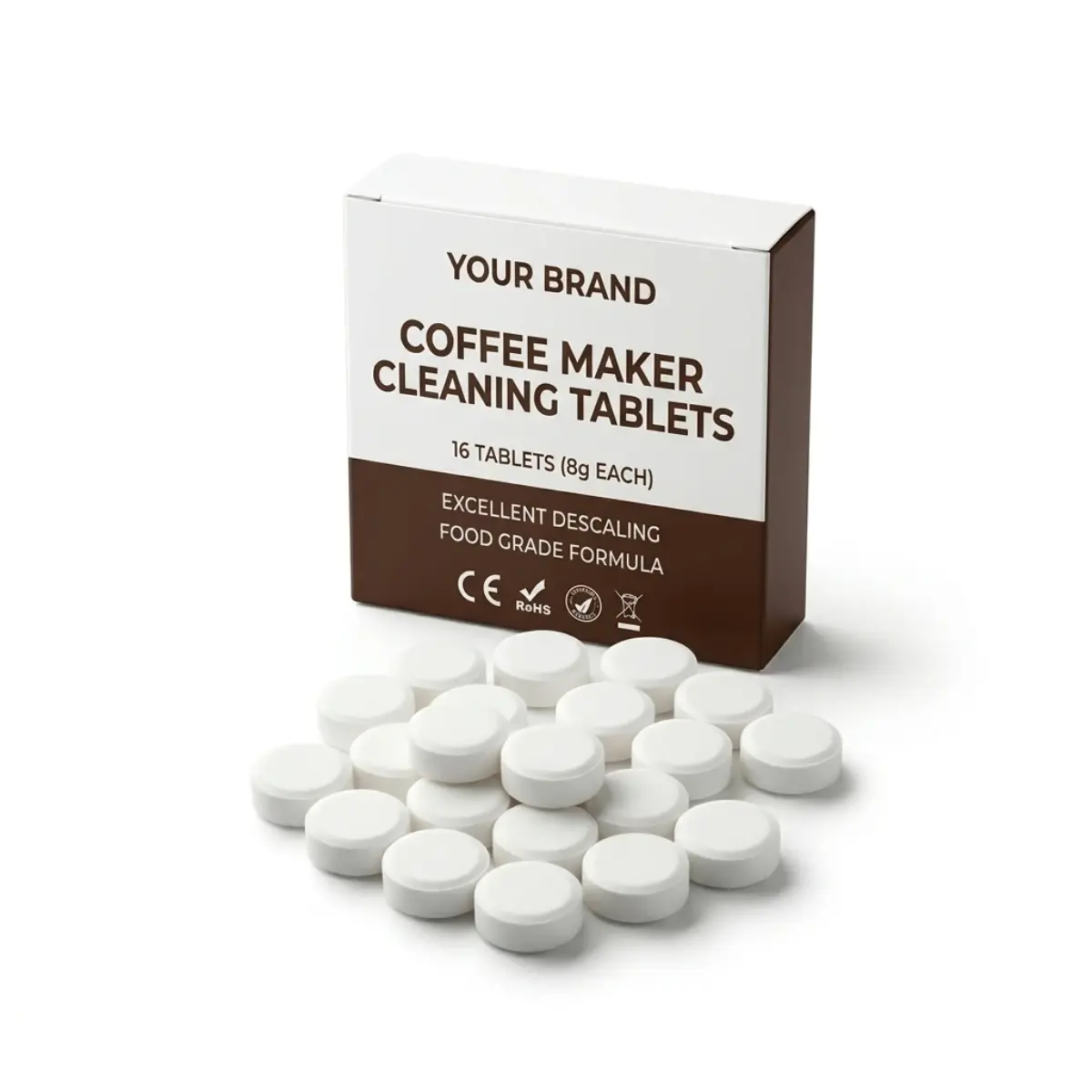
Questi formati si comportano in modo diverso nel flacone e richiedono utensili diversi da parte del produttore. Le compresse effervescenti si basano su una reazione tra acido citrico e bicarbonato di sodio — la piacevole effervescenza — mentre le compresse compresse si dissolvono semplicemente con l’agitazione. Le versioni incapsulate proteggono gli ingredienti reattivi, ma costano di più e sono più difficili da reperire.
| Formato | Costo medio/compressa | Tempo di dissoluzione | MOQ tipico | Difficoltà di approvvigionamento |
|---|---|---|---|---|
| Effervescente | $0.28–$0.45 | 1–3 min | 5,000 | Moderato |
| Compressa | $0.18–$0.32 | 3–6 min | 5,000 | Basso |
| Incapsulato | $0.40–$0.70 | 2–4 min | 10,000 | Alto |
Per un primo prodotto, la maggior parte dei fondatori inizia con il vetro effervescente o con un detergente multiuso. L’effervescenza si fotografa bene e gli acquirenti la associano al fatto che “funziona”. Le varianti per WC e lavanderia arrivano più avanti, quando si comprendono i modelli di riordino.
Chi sta davvero acquistando — E cosa non vi dirà
I vostri acquirenti si raggruppano in tre categorie: millennial attenti all’ambiente che arredano il loro primo appartamento, nuclei familiari con abbonamento per i refill che desiderano fare meno viaggi al negozio, e clienti B2B come host Airbnb e piccoli servizi di pulizia che puntano a ridurre il peso delle forniture.
Ecco la verità scomoda che le guide dei concorrenti tralasciano: l’intenzione ecologica dichiarata e il comportamento al checkout divergono. Le persone dicono che pagheranno un prezzo premium per ridurre la plastica. Poi abbandonano il carrello quando il refill costa più, per utilizzo, di uno spray da supermercato da $3. Prezzi il vostro refill in base a questa realtà, non alle risposte del sondaggio.
Fase 1: Convalidare la nicchia prima di spendere un dollaro
Prima di impegnarti nell’inventario, verifica che le persone vogliano la tua versione. Crea una semplice landing page di pre-vendita che descriva esattamente il formato e la fragranza, indirizza verso di essa $300–$500 di traffico freddo e misura le iscrizioni via email. Un segnale positivo è un tasso di acquisizione del 2–3% sul traffico freddo.
Testa la combinazione specifica, non l’idea astratta. "Eucalyptus effervescent glass cleaner" ha prestazioni diverse da "unscented compressed all-purpose." Stai convalidando uno SKU, non un concetto.
Lettura dello Scaffale Competitivo
Analizza gli operatori affermati — Blueland e Grove Collaborative sono i riferimenti più evidenti della categoria — ma fallo per individuare le lacune, non come modelli da copiare. Esamina la loro cadenza di ricarica, la gamma di fragranze e i punti in cui la scala dei prezzi aumenta. La maggior parte lascia spazio: poche opzioni di fragranza, assenza di una linea senza fragranza o un kit iniziale con un prezzo troppo alto per chi acquista per la prima volta ed è semplicemente curioso. Quel divario è il tuo posizionamento.
Passaggio 2: Formulazione e scelta di un produttore
È qui che le tempistiche slittano e si disperde denaro. Ti troverai presto davanti a un bivio: private label di una formula esistente oppure sviluppo di una formula personalizzata. Un produttore a contratto per la produzione di pastiglie detergenti solubili si aspetterà che tu arrivi con una direzione per la fragranza, un prezzo obiettivo per pastiglia e intenzioni di packaging — non con una pagina bianca.
Le quantità minime d’ordine realistiche per il primo lotto si collocano intorno a 5,000–10,000 pastiglie. Se un fornitore offre una soglia davvero bassa — alcune fabbriche specializzate in personal care e home care realizzano private label a partire da 1,000 unità — quella flessibilità riduce in modo significativo il rischio del lancio. Meno unità significa poter testare il mercato senza accumulare scorte invendute in magazzino.
Private Label vs. Formula Personalizzata: Il Vero Compromesso
| Approccio | Costo iniziale | Tempistiche | Protezione della proprietà intellettuale | Ideale per |
|---|---|---|---|---|
| Private label | $4,000–$12,000 | 4–8 settimane | Basso — formula condivisa | Chi punta sulla rapidità e muove i primi passi |
| Formula personalizzata | $15,000–$35,000 | 3–6 mesi | Più elevato — esclusiva | Fondatori che costruiscono un vantaggio difendibile |
Private label vi porta sul mercato in modo rapido ed economico, ma la stessa formula è alla base anche di altri tre concorrenti. Una formula personalizzata offre esclusività e una proposta distintiva, al costo di tempo e capitale. La maggior parte di chi lancia per la prima volta dovrebbe optare per una versione private label, imparare e poi investire in una riformulazione personalizzata una volta che la domanda è stata confermata.
Cosa Chiedere a un Produttore (Le Domande che Le Fanno Risparmiare 10k $)
- Eseguite test di stabilità, e posso vedere i dati sulla durata di conservazione di questa formulazione in condizioni di umidità?
- Quali sono le specifiche di durezza e friabilità delle vostre compresse? Una compressa che si sbriciola durante il trasporto significa resi.
- Qual è il lead time realistico per un campione? (7–14 giorni è la norma per un campione personalizzato una volta definito il brief.)
- Potete mostrare la documentazione sulla provenienza degli ingredienti per qualsiasi dichiarazione "eco" o "vegan"?
- Quali certificazioni possedete — GMP, ISO, registrazione FDA, audit sociale SMETA? Chiedete i numeri dei certificati.
Un fornitore che risponde in modo chiaro a queste domande, con la documentazione, è uno di cui potete fidarvi per il vostro primo ordine di acquisto. Uno che elude la domanda sulla friabilità vi costerà un lotto di resi.
Approvvigionamento di Ingredienti in Linea con la Vostra Dichiarazione
La chimica non è misteriosa. I tensioattivi fanno la pulizia; la base effervescente è costituita da acido citrico e bicarbonato di sodio; un legante tiene insieme la pastiglia. Ma se sulla vostra confezione c'è scritto "pastiglie per la pulizia eco-friendly", queste scelte di ingredienti devono davvero supportarlo. Un tensioattivo di origine vegetale e una fragranza certificata come non testata su animali sono elementi difendibili. Un tensioattivo derivato dal petrolio dietro un'etichetta verde è greenwashing pronto a generare una contestazione.
Fase 3: Conformità Normativa, Etichettatura e Sicurezza
I principianti sottovalutano questa sezione più di qualsiasi altra, ed è quella che trasforma lanci redditizi in grattacapi legali. Negli Stati Uniti, il percorso normativo si divide in base a una cosa: ciò che dichiarate che il vostro prodotto fa.
Quando il Vostro Prodotto Richiede la Registrazione EPA
Se dichiara che il tablet "pulisce" le superfici — si tratta di un prodotto per la pulizia e non è necessaria alcuna registrazione federale come pesticida. Se invece si dichiara che "uccide il 99,9% dei germi", "disinfetta" o "sanitizza", allora si sta avanzando una rivendicazione antimicrobica. Ciò comporta la registrazione ai sensi del FIFRA presso l'EPA, un processo che può costare da $15,000 a $50,000+ in tariffe e test e richiedere molti mesi.
Questo è l'errore da principiante più costoso della categoria. I fondatori scrivono testi di marketing ambiziosi, li pubblicano e, senza rendersene conto, commercializzano un pesticida non registrato. Decidete subito: siete un detergente o un disinfettante? Per la maggior parte dei primi brand, "detergente" è la risposta intelligente e conveniente.
Etichettatura e claim che resistono al controllo
Da fare: elencare gli ingredienti in modo trasparente, includere avvertenze di sicurezza per bambini (le compresse effervescenti sembrano caramelle — questo è importante) e aggiungere istruzioni chiare sulla diluizione. Da non fare: usare "biodegradabile" senza soddisfare lo standard delle FTC Green Guides, oppure "senza plastica" se l'imballaggio esterno contiene qualsiasi pellicola. Le regole di etichettatura della CPSC si applicano ai detergenti per la casa, quindi utilizzate le dichiarazioni precauzionali con precisione. Claim ecologici vaghi attirano esattamente il tipo di attenzione che una piccola marca non può permettersi.
Passaggio 4: packaging, branding ed economia del refill
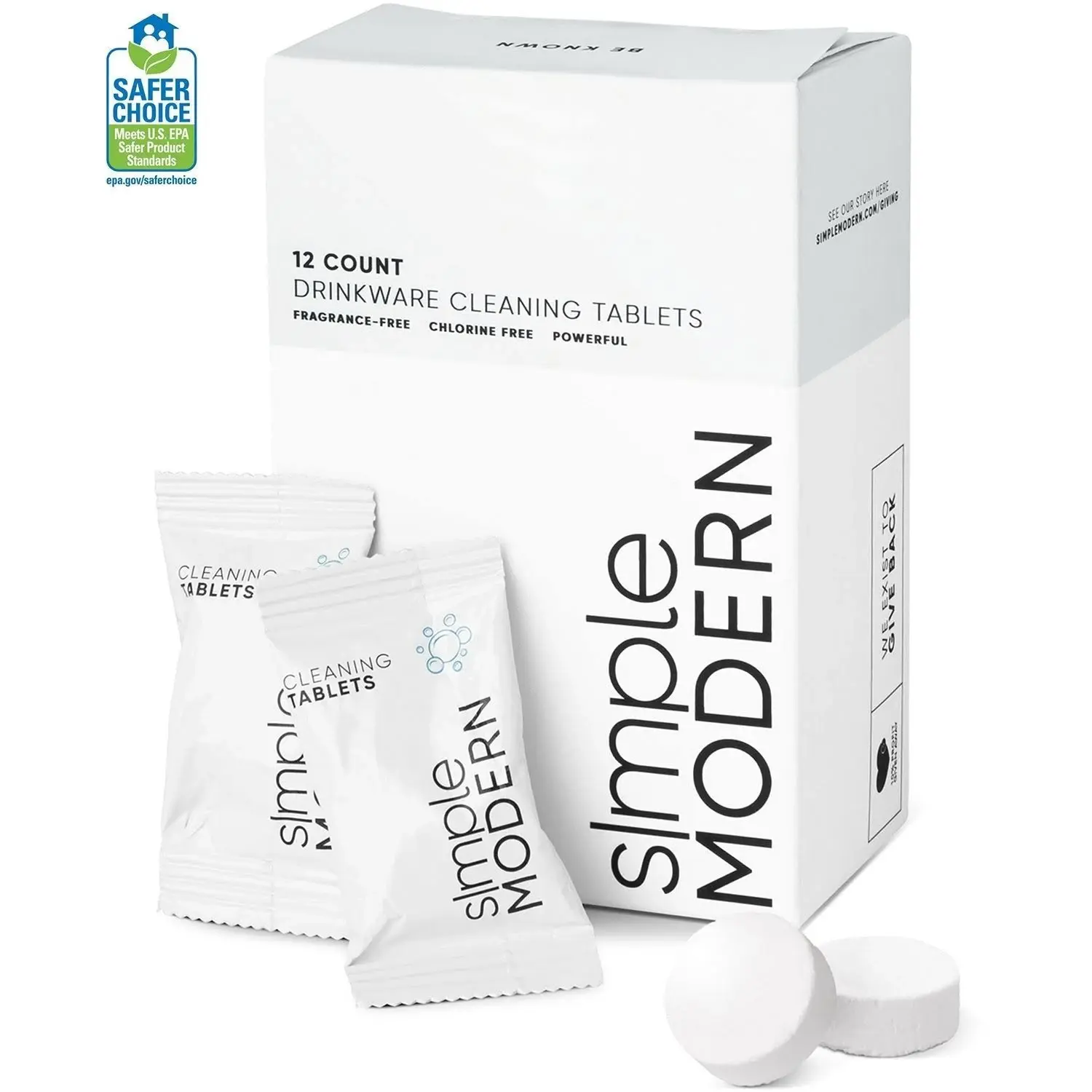
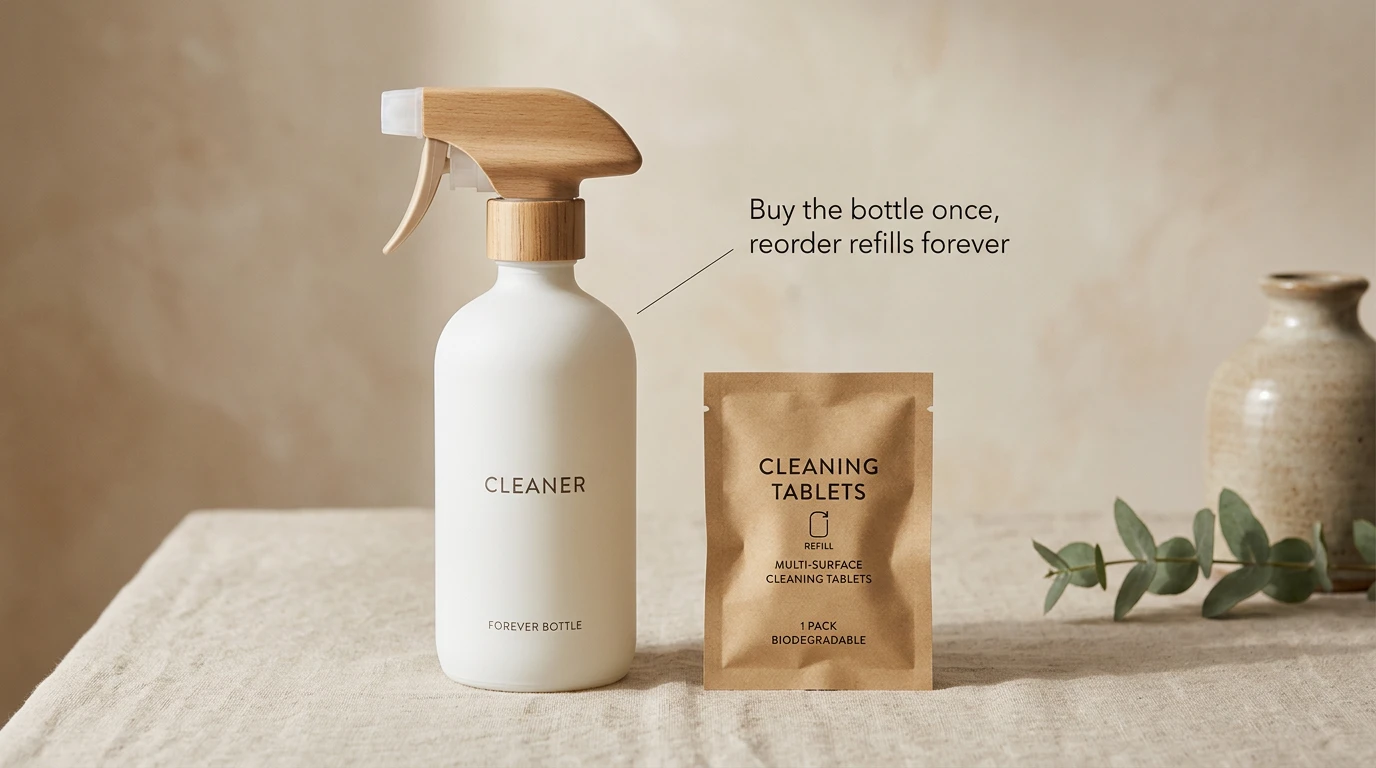
Il modello bottiglia riutilizzabile + refill è l'intero business. I clienti acquistano una "bottiglia per sempre" una sola volta, poi acquistano ripetutamente le compresse. Il margine sul primo acquisto è ridotto — spesso sovvenzionate la bottiglia per abbassare la barriera d'ingresso. È sul refill che guadagnate.
Progettate quindi un packaging che segnali fedeltà al refill: una bottiglia che valga la pena conservare, bustine di refill che arrivino nella cassetta della posta senza sforzo e un flusso di abbonamento che renda il riordino automatico, non una scelta.
Calcolo del costo di una singola compressa
| Voce di costo | Costo per compressa |
|---|---|
| Ingredienti | $0.14 |
| Pressatura / produzione delle compresse | $0.11 |
| Confezionamento (quota bustina + cartone) | $0.19 |
| Quota di fulfillment | $0.35 |
| Costo sbarcato per compressa | $0.79 |
| Prezzo target al dettaglio per compressa | $2.50 |
| Margine lordo | ~68% |
Questi margini sembrano sani finché si sommano i costi di fulfillment e pubblicità. Osserva attentamente la voce fulfillment — spesso è più alta della produzione, cosa che sorprende i fondatori ossessionati dal prezzo degli ingredienti.
Fase 5: Prezzi, canali e go-to-market
La scelta del canale definisce l'intera economia del tuo business. Un abbonamento direct-to-consumer ti offre dati sui clienti e ricavi ricorrenti, ma richiede di finanziare autonomamente il traffico. Amazon FBA ti porta subito clienti, ma trattiene la relazione e applica una commissione. Ingrosso e B2B generano volumi, ma comprimono i margini.
Nella strategia di marketing del brand di pastiglie per la pulizia: punta sul momento "inseriscila e guardala frizzare". Quella trasformazione di tre secondi è intrinsecamente condivisibile, ed è per questo che i contenuti generati dagli utenti superano gli annunci studio rifiniti in questa categoria. La retention in abbonamento, non l'acquisizione, è il motore della crescita — un cliente che riordina per un anno vale molto più di un annuncio brillante.
Scegliere il tuo primo canale di vendita
| Canale | Controllo | Margine | Possiede i dati dei clienti? |
|---|---|---|---|
| Negozio DTC | Alto | Alto | Sì |
| Amazon FBA | Basso | Medio | No |
| Ingrosso / B2B | Medio | Basso | No |
La maggior parte delle startup di marchi di pulizia sostenibile di maggior successo inizia con il DTC per controllare i dati e la relazione di abbonamento, quindi aggiunge Amazon per la scoperta quando può permettersi l'impatto sul margine.
Quanto costa davvero il lancio (ripartizione completa del budget)
| Voce di costo | Essenziale | Standard | Confortevole |
|---|---|---|---|
| Formulazione / campioni | $500 | $2,500 | $8,000 |
| Primo ciclo di inventario | $4,000 | $9,000 | $15,000 |
| Packaging / stampi | $1,500 | $4,000 | $8,000 |
| Conformità / etichettatura | $800 | $2,500 | $5,000 |
| Branding / design | $1,200 | $3,000 | $6,000 |
| Sito web | $500 | $2,000 | $4,000 |
| Spesa pubblicitaria iniziale | $2,000 | $4,000 | $8,000 |
| Totale | ~$10,500 | ~$27,000 | ~$54,000 |
La colonna lean presume che tu utilizzi un private label, ordini un MOQ basso e progetti tu stesso il brand. È così che il costo reale per lanciare un brand di pastiglie per la pulizia si concretizza per un fondatore solitario e intraprendente rispetto a uno ben finanziato.
Errori comuni commessi dai fondatori alle prime armi
- Ordinare scorte in eccesso. Diecimila pastiglie di una fragranza non collaudata sono un garage pieno di rimpianti.
- Inseguire troppe fragranze. Due SKU fatti bene superano sei fatti in modo superficiale.
- Test di dissoluzione insufficienti. Una pastiglia che frizza rapidamente in fabbrica può trasformarsi in una melma nell'acqua fredda del rubinetto in inverno. Testate in condizioni reali.
- Ignorare umidità e durata di conservazione. Le pastiglie effervescenti sono igroscopiche — un packaging inadeguato le rovina sullo scaffale.
- Competere solo sull'"eco". Oggi tutti sono green. Distinguetevi invece per formato, fragranza, praticità di ricarica o prezzo.
I tuoi primi 90 giorni: da dove iniziare
Non cercare di fare tutto in una volta. Dedica le settimane da una a quattro a validare una singola combinazione di formato e fragranza con una pagina pre-vendita. Nelle settimane da cinque a otto, richiedi campioni a tre produttori e metti alla prova le loro risposte su friabilità e stabilità. Entro la dodicesima settimana, avrai una bozza di etichettatura conforme e il primo ordine con MOQ ridotto confermato.
Se sei pronto a passare dalla pianificazione al prodotto, il modo più rapido per ridurre il rischio è avere un campione reale tra le mani. Rivolgiti a un produttore certificato di cleaning tablets private label, richiedi tre campioni di formulazione in base al tuo brief e confronta le prestazioni di dissoluzione nella tua acqua di rubinetto prima di investire un solo dollaro in inventario. Questo singolo passaggio separa i fondatori che lanciano da quelli che continuano a fare ricerche.
Domande frequenti
D: Quanto costa avviare un'attività di cleaning tablets?
R: Un lancio lean in private label si aggira intorno a $10,000–$15,000. Un percorso più tipico, con branding personalizzato e un adeguato buffer di inventario, si colloca vicino a $27,000. I costi aumentano se commissioni una formula personalizzata o fai dichiarazioni disinfettanti che richiedono la registrazione EPA.
D: Ho bisogno di uno stabilimento produttivo per realizzare cleaning tablets?
R: No. Quasi tutti i nuovi brand collaborano con un contract manufacturer o un fornitore private label che pressa e confeziona le tablet per te. Tu fornisci il brand, l'indicazione sulla formula e il brief per il packaging — loro gestiscono la produzione, spesso con MOQ a partire da appena 1,000 unità con partner flessibili.
D: Le cleaning tablets sono davvero redditizie?
R: Sì, ma il profitto è nei riordini. I margini del primo acquisto sono ridotti perché sovvenzioni il flacone riutilizzabile. Una volta che il cliente si abbona e ricarica per mesi, il valore lungo l'intero ciclo di vita cresce ben oltre il costo di acquisizione — è lì che il modello rende davvero.
D: Quanto tempo ci vuole per lanciare un brand di cleaning tablets?
R: Considera 4–8 mesi. Validazione e branding richiedono 4–6 settimane, formulazione e campionatura 6–12 settimane, il primo ciclo di produzione 25–30 giorni, e packaging più sito web richiedono altre poche settimane. Le formule personalizzate ti spingono verso la fascia alta della tempistica.
D: Le cleaning tablets richiedono l'approvazione FDA o EPA?
R: Dipende interamente dalle tue affermazioni. Un detergente generico non necessita di nessuno dei due. Nel momento in cui dichiari di "disinfettare," "sanificare" o "eliminare i germi," fai scattare la registrazione EPA ai sensi del FIFRA — un processo costoso che richiede mesi. Mantieni le affermazioni di un detergente, a meno che tu non abbia previsto un budget per la registrazione.