

Lavoro da oltre un decennio nel settore del lavaggio e della cura della persona e, se c'è una domanda che mi viene posta più di qualsiasi altra durante le riunioni di famiglia, è questa: "Quelle pastiglie per la pulizia della lavatrice servono davvero a qualcosa o sono solo marketing senza senso?"
Domanda legittima. Ti do una risposta onesta e senza fronzoli, basata su ciò che ho visto, testato e consigliato a migliaia di consumatori nel corso degli anni.
Perché la tua lavatrice ha bisogno di essere pulita innanzitutto
Cosa si nasconde davvero all’interno del cestello
Ecco qualcosa che la maggior parte delle persone non si rende conto: la tua lavatrice è un ambiente caldo, umido e chiuso — praticamente un paradiso per batteri e muffe. Ogni lavaggio lascia dietro di sé tracce di detersivo, oli corporei, cellule della pelle e fibre dei tessuti.
Con il tempo, questi residui formano uno strato viscido chiamato biofilm all’interno del cestello, dei tubi e della pompa. Aggiungi i depositi minerali dovuti all’acqua dura — ciò che chiamiamo accumulo di calcare — e ti ritrovi con una macchina che tecnicamente diventa più sporca ogni volta che “lava” i tuoi vestiti.
Il punto cruciale? I moderni cicli a risparmio energetico che funzionano a 30–40°C non raggiungono una temperatura sufficiente per eliminare i batteri o sciogliere gli accumuli. Ecco perché i tuoi asciugamani hanno un odore di muffa dopo un giorno, oppure noti residui grigiastri sui capi scuri. La responsabile è proprio la macchina.
Lavatrici a carica frontale vs. a carica dall’alto — problemi diversi, stessa trascuratezza
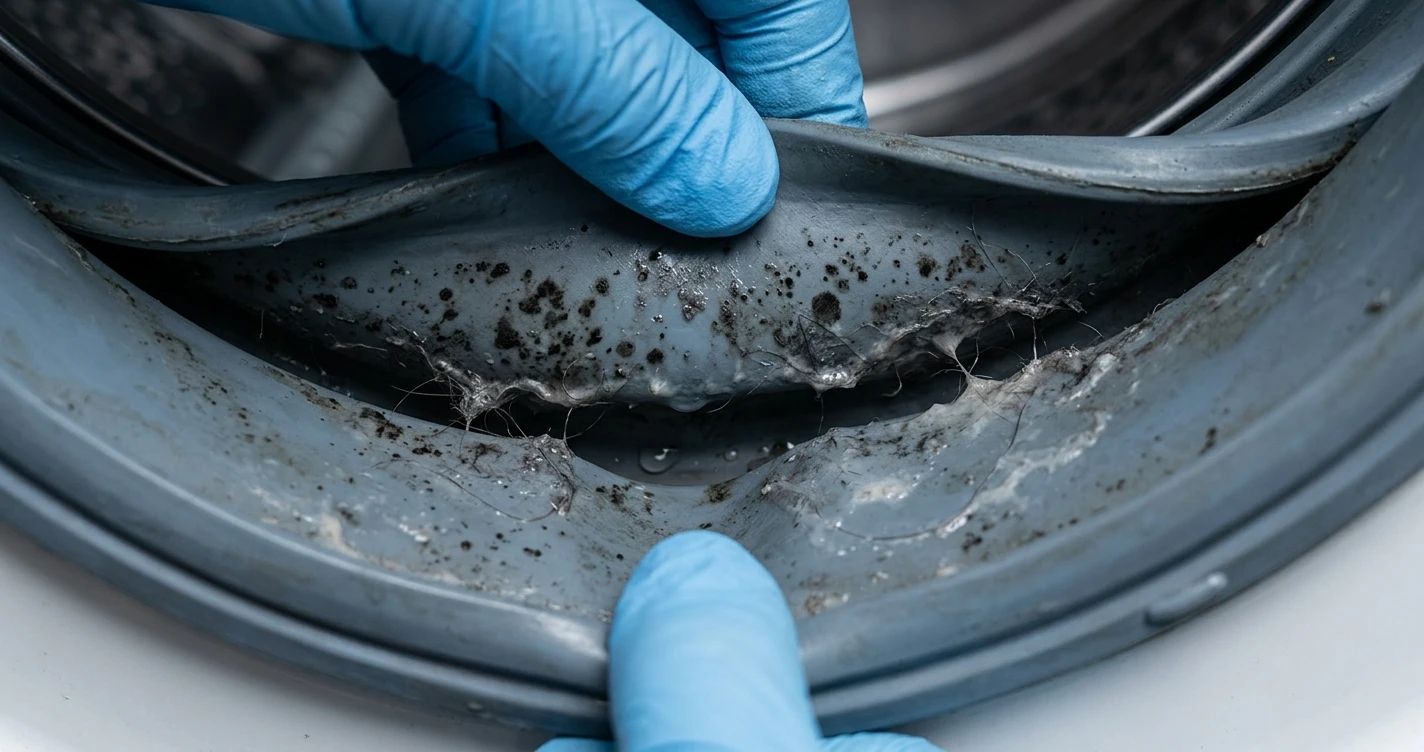
Le lavatrici a carica frontale sono particolarmente soggette a problemi. La guarnizione in gomma dello sportello trattiene umidità, pelucchi e residui di detersivo nelle sue pieghe — un terreno ideale per la proliferazione della muffa nera. L’acqua stagnante che non defluisce mai completamente dalla guarnizione non fa che peggiorare la situazione. Queste sono le problematiche di manutenzione delle lavatrici a carica frontale che vedo segnalate più spesso.
Anche le lavatrici a carica dall’alto non ne sono immuni. La colonna dell’agitatore raccoglie residui appiccicosi di ammorbidente e il bordo sotto il coperchio sviluppa un anello di sporco che la maggior parte delle persone non nota mai finché non inizia a staccarsi sui vestiti.
Un sondaggio condotto nel 2023 tra i consumatori da un importante produttore di elettrodomestici ha rilevato che circa il 60% delle famiglie non ha mai pulito deliberatamente la propria lavatrice. Nemmeno una volta. Questa statistica non mi sorprende — corrisponde perfettamente agli interventi di assistenza che ho visto nel corso degli anni.
Come funzionano le pastiglie detergenti per lavatrice — la scienza spiegata in modo semplice
Ingredienti attivi e cosa combattono
Lascia che ti spieghi cosa contengono davvero queste pastiglie senza entrare troppo nel dettaglio della chimica:
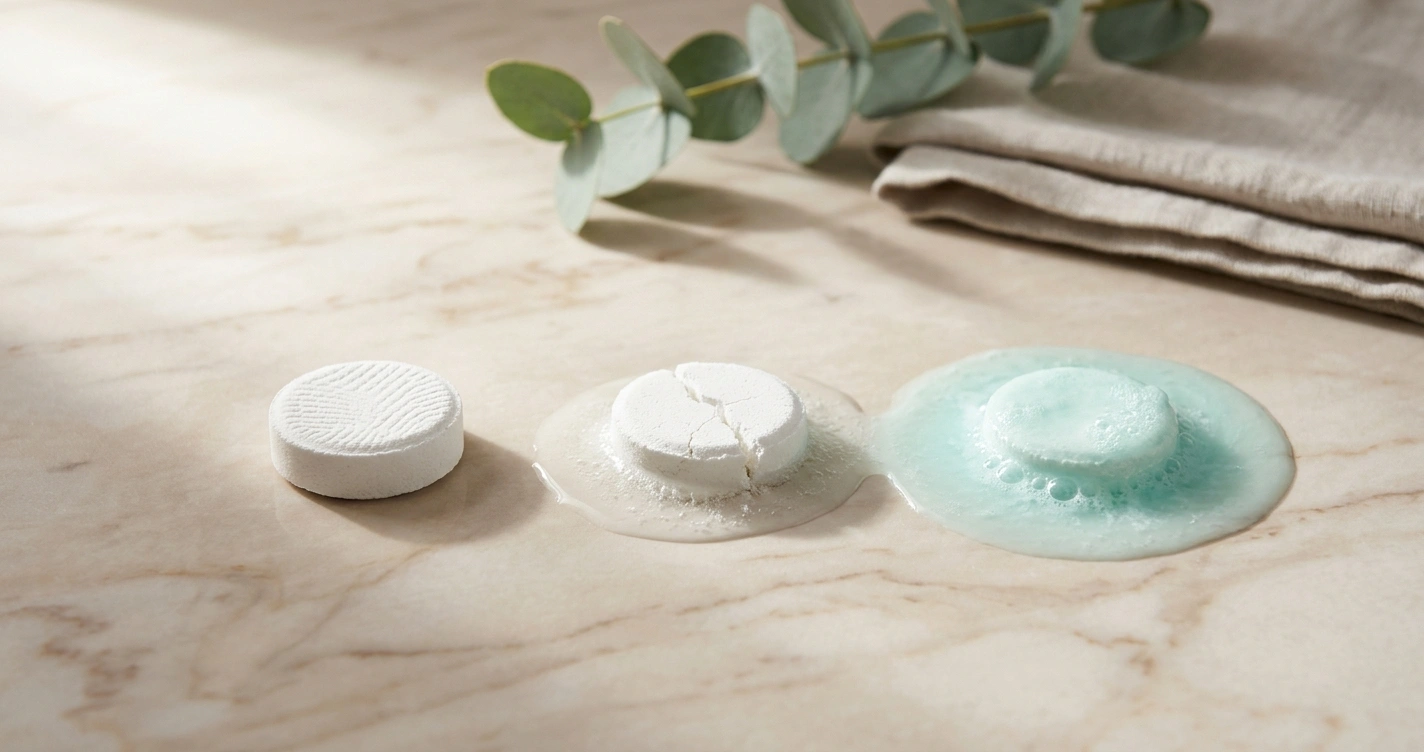
Percarbonato di sodio (candeggiante a base di ossigeno) — questo è l’elemento principale. Sciolto in acqua calda, rilascia perossido di idrogeno, che degrada la materia organica come biofilm, muffa e i residui che causano quell’odore di muffa. È la tua arma principale per eliminare gli odori dalla lavatrice.
Tensioattivi — Sono gli stessi agenti sgrassanti presenti nel detersivo per piatti. Sciolgono i residui di detersivo accumulati e i depositi di grasso corporeo che aderiscono alle pareti del cestello.
Agenti chelanti (come EDTA o acido citrico) — Si legano agli ioni di calcio e magnesio presenti nei depositi di acqua dura, sciogliendo il calcare che riveste gli elementi riscaldanti e le tubazioni interne.
Il processo del ciclo di pulizia
Quando si inserisce una pastiglia in un cestello vuoto e si avvia un ciclo a caldo, questa si scioglie gradualmente. La soluzione circola attraverso l'intero percorso dell'acqua — cestello, tubo di scarico, pompa, persino i tubi del cassetto del detersivo. In pratica, si effettua un lavaggio profondo del "sistema circolatorio" della macchina.
L'acqua calda (60°C o superiore) è fondamentale. Al di sotto di tale temperatura, il percarbonato di sodio non si attiva completamente e si ottiene forse solo il 40% del potenziale potere pulente della pastiglia.
Come si confrontano le pastiglie con gli altri metodi? I detergenti liquidi per lavatrici funzionano in modo simile, ma il dosaggio può risultare poco costante. Il popolare approccio fai-da-te — aceto bianco e bicarbonato di sodio — offre una lieve azione deodorante, ma non dispone dell'azione chimica mirata necessaria per gli accumuli più ostinati. Approfondirò ulteriormente questo confronto più avanti.
Funzionano davvero? La mia valutazione sincera dopo anni nel settore
In cosa eccellono le pastiglie per la pulizia del cestello
Sì, funzionano. Ma con importanti precisazioni.
Per l'eliminazione degli odori, le pastiglie per la pulizia del cestello sono realmente efficaci. Dopo un singolo ciclo a caldo con una pastiglia di qualità, la maggior parte degli utenti riferisce che quell'odore di muffa, di "cane bagnato", scompare sia dalla macchina sia dai carichi di bucato successivi. L'efficacia del detergente per lavatrice contro gli odori è probabilmente il loro principale punto di forza.
Per accumuli moderati di calcare in aree con acqua moderatamente dura, le pastiglie con agenti chelanti producono effettivamente una differenza misurabile. Ho visto elementi riscaldanti tornare visibilmente più puliti dopo un utilizzo mensile costante.
Anche il fattore praticità è reale. Niente sfregamenti, niente misurini, niente disordine. Basta inserirla, premere avvio e allontanarsi.
Dove le pastiglie mostrano i loro limiti
Qui devo essere sincero con lei. Le pastiglie non fanno miracoli.
Se la guarnizione della sua lavatrice a carica frontale presenta colonie visibili di muffa nera, una pastiglia da sola non risolverà il problema. L’acqua in circolazione semplicemente non esercita una pressione di contatto diretto sufficiente a rimuovere la muffa già insediata dalle pieghe della gomma. Dovrà prima pulire manualmente la guarnizione con un panno e un detergente appropriato.
Le macchine che non vengono pulite da oltre un anno spesso richiedono due o tre cicli di pulizia consecutivi prima di mostrare un reale miglioramento. Una sola pastiglia dopo anni di trascuratezza è come lavarsi i denti una volta sola dopo aver ignorato l’igiene orale per un decennio — aiuta, ma non si aspetti la perfezione.
Le pastiglie non sostituiscono in alcun modo buone abitudini di manutenzione. Lasciare lo sportello aperto dopo i cicli, asciugare le guarnizioni, effettuare occasionalmente lavaggi ad alta temperatura — tutte queste pratiche restano estremamente importanti.
Risultati reali — prima e dopo
Come si presentano i risultati reali? Nella mia esperienza di consulenza ai consumatori:
Dopo il primo utilizzo: riduzione evidente degli odori, contenuto del filtro di scarico leggermente più pulito
Dopo 2–3 utilizzi mensili: guarnizione visibilmente più pulita, nessun odore di muffa trasferito al bucato, guarnizioni in gomma più pulite
Dopo 6 mesi di utilizzo regolare: la macchina funziona in modo più efficiente, l’elemento riscaldante rende meglio e ritorna quella sensazione di “appena acquistata”
I principali marchi di pastiglie riferiscono che l’85–90% degli utenti nota un miglioramento degli odori dopo il primo ciclo. Questo corrisponde a ciò che ho osservato nella pratica. Il miglioramento del calcare richiede più tempo — di solito tre mesi di utilizzo costante prima che chi vive in zone con acqua dura veda risultati significativi.
Come ottenere i migliori risultati dalle pastiglie detergenti
Guida passo dopo passo per la massima efficacia
Seleziona il ciclo più caldo disponibile — 90°C è l'ideale, 60°C è il minimo. Molte macchine hanno un ciclo dedicato di "pulizia del cestello" o "pulizia della vasca".
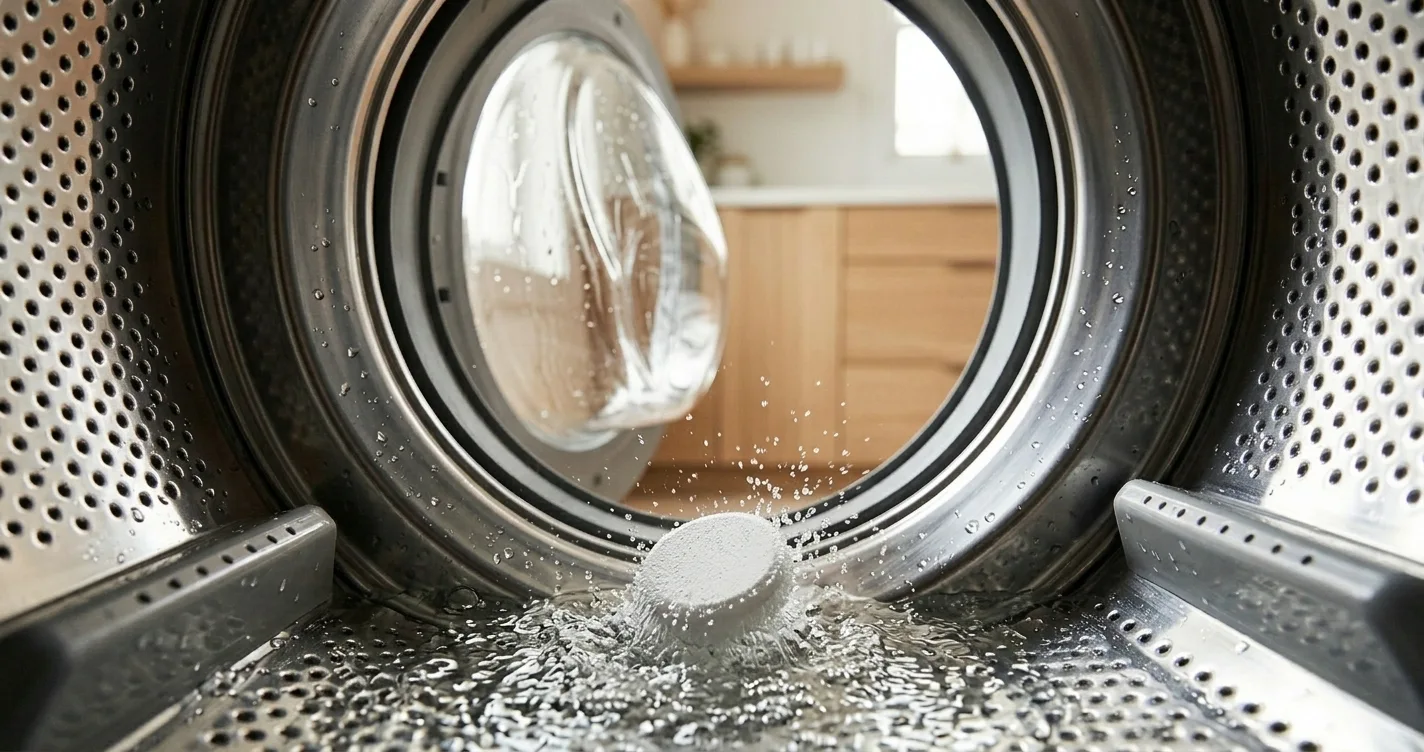
Posiziona la pastiglia direttamente nel cestello — non nel cassetto del detersivo. Deve sciogliersi dove si accumulano effettivamente i residui.
Scegli il ciclo più lungo senza prelavaggio — il massimo tempo di contatto con l'acqua equivale alla massima pulizia.
Avvia la macchina completamente vuota — niente vestiti, niente asciugamani, nulla.
Dopo il ciclo, pulisci manualmente la guarnizione dell'oblò e il cassetto del detersivo — la pastiglia scioglie lo sporco; tu rimuovi ciò che resta.
Con quale frequenza dovresti usarle?
Le mie raccomandazioni generali, basate su anni di feedback dei consumatori:
Mensilmente — per le lavatrici a carica frontale, soprattutto nelle aree con acqua dura
Ogni 6–8 settimane — per le lavatrici a carica dall'alto o per le famiglie in zone con acqua dolce
Ogni 30 cicli di lavaggio — una regola pratica utile indipendentemente dal tipo di macchina
Se fai più di 5–6 lavaggi a settimana, orientati verso l'intervallo più breve. Un utilizzo intenso comporta un accumulo più rapido.
Abitudini complementari per una macchina sempre fresca
Le pastiglie funzionano al meglio come parte di una routine — non come soluzione a sé stante. Ecco i consigli di manutenzione per la lavatrice a carica frontale che consiglio sempre insieme all’uso delle pastiglie:
Lasciare lo sportello socchiuso dopo ogni lavaggio per consentire la circolazione dell’aria
Asciugare la guarnizione in gomma dopo ogni utilizzo — richiede 10 secondi
Pulire il filtro della pompa ogni 2–3 mesi (il piccolo sportello nella parte inferiore anteriore)
Eseguire almeno un lavaggio a caldo (60°C+) a settimana con il normale bucato — asciugamani e biancheria da letto lo tollerano bene
Non eccedere con il detersivo — il sapone in eccesso è la causa numero uno dell’accumulo di residui
Pastiglie vs. altri metodi di pulizia — quale vince?
Pastiglie vs. aceto bianco e bicarbonato di sodio
Internet adora questo trucco fai-da-te. L’aceto deodora leggermente e il bicarbonato di sodio offre una delicata azione abrasiva. Fin qui, tutto bene. Ma dal punto di vista del settore, questo metodo presenta reali limitazioni.
L’acido acetico dell’aceto è troppo debole per una rimozione efficace del calcare nelle zone con acqua dura. Servirebbero applicazioni concentrate ripetute per eguagliare ciò che un agente chelante riesce a ottenere in un solo ciclo. Peggio ancora, l’uso regolare dell’aceto può deteriorare nel tempo le guarnizioni e le tenute in gomma — proprio i componenti che si sta cercando di proteggere.
Il risparmio economico è reale (pochi centesimi per trattamento), ma lo è anche la minore efficacia. Valuterei i metodi fai-da-te intorno al 30–40% della capacità pulente di una formulazione in pastiglie adeguata.
Compresse vs. detergenti liquidi per la pulizia della lavatrice
I detergenti liquidi hanno un vero vantaggio: puoi applicarli direttamente sulle aree problematiche come le pieghe della guarnizione o gli angoli del cassetto del detersivo per un trattamento mirato.
Le compresse vincono in termini di costanza del dosaggio. Ogni compressa fornisce la stessa concentrazione, mentre i liquidi dipendono dalla precisione con cui li misuri. Per la pulizia basata sulla circolazione delle tubazioni interne e del cestello stesso, compresse e liquidi offrono prestazioni comparabili.
Il mio consiglio? Tieni le compresse per i cicli di manutenzione mensili e una piccola bottiglia di detergente liquido per trattare localmente la muffa visibile sulle guarnizioni.
Compresse vs. assistenza professionale
Una pulizia professionale approfondita costa $80–$150 per visita. Una fornitura annuale di compresse mensili costa $15–$30. Per macchine con accumuli moderati e senza problemi meccanici, una routine costante con le compresse raggiunge l'80% di ciò che offre un intervento professionale.
Quando dovresti invece chiamare un tecnico? Se senti odore di fogna — non solo di muffa — se il cestello presenta ruggine visibile o se lo scarico inefficiente persiste dopo la pulizia. Questi segnali indicano problemi che vanno oltre ciò che qualsiasi prodotto per consumatori possa risolvere.
Conclusione
Dopo anni in questo settore, ecco il mio verdetto diretto: le compresse detergenti per lavatrice funzionano bene per la manutenzione regolare e per accumuli moderati. Non salveranno una macchina gravemente trascurata. Ma per la famiglia media disposta a seguire una routine mensile, offrono risultati reali e visibili.
Rimuovono efficacemente i cattivi odori, riducono l'accumulo di calcare e mantengono i componenti interni più puliti rispetto al non fare nulla. A circa $2–3 per compressa al mese, il rapporto costo-beneficio è difficile da contestare.
Ecco cosa voglio che tu faccia questa settimana: controlla il manuale della tua lavatrice per verificare la presenza di un ciclo "pulizia cestello" o "pulizia vasca". Non riesci a trovare il manuale? Cerca online il numero del tuo modello. Esegui un ciclo a caldo a vuoto con una compressa — idealmente una che contenga percarbonato di sodio come principale principio attivo. Poi impegnati a farlo ogni mese.
I tuoi vestiti, la tua macchina e, onestamente, anche il tuo naso ti ringrazieranno. Una lavatrice pulita non è un lusso — è igiene di base dell'elettrodomestico che ti fa risparmiare su riparazioni e sostituzioni nel tempo. Inizia oggi, sii costante e ti chiederai perché non l'hai fatto prima..
Domande frequenti
D: Le pastiglie detergenti per lavatrice possono danneggiare la mia macchina?
R: Se utilizzate come indicato, no. Le pastiglie di qualità di marchi affidabili sono formulate per essere sicure per tutti i componenti interni — gomma, plastica, acciaio inox e alluminio. La chiave è seguire le linee guida del produttore della macchina per quanto riguarda i cicli di pulizia e le impostazioni della temperatura. Non utilizzare più di una pastiglia per ciclo pensando che "di più è meglio".
D: Le pastiglie funzionano sia nelle lavatrici a carica frontale che in quelle a carica dall’alto?
R: Sì, funzionano in entrambe. Per le lavatrici a carica frontale, posizionare la pastiglia direttamente nel cestello. Per le lavatrici a carica dall’alto, alcuni utenti ottengono risultati migliori posizionando la pastiglia sul fondo della vasca prima di avviare il ciclo, assicurando la completa dissoluzione prima che l’acqua riempia la vasca. Verificare sulla confezione delle pastiglie le istruzioni specifiche per il modello.
D: Una pastiglia detergente risolverà il problema dei vestiti che hanno già cattivo odore?
R: Non direttamente — sarà necessario lavare di nuovo i capi interessati in una macchina pulita. Ma la logica è questa: quell’odore di muffa si trasferisce da una macchina sporca al bucato. Una volta eliminata la fonte dell’odore all’interno della lavatrice, i capi appena lavati torneranno a risultare davvero puliti. Prevenire è meglio che curare.
D: Le pastiglie ecologiche sono efficaci quanto quelle a base chimica?
R: Le pastiglie ecologiche che utilizzano percarbonato di sodio (candeggina all’ossigeno) sono realmente efficaci — questo ingrediente è sia biodegradabile sia potente. Per la manutenzione ordinaria, sono paragonabili alle formule a base di cloro più aggressive. Dove le opzioni a base di cloro risultano superiori è nell’eliminare la muffa profondamente radicata. Per la maggior parte delle famiglie che effettuano una pulizia mensile regolare, le opzioni ecologiche offrono prestazioni eccellenti.
D: Posso usare le pastiglie se ho un sistema settico?
R: Sì, ma scegli con attenzione. Cerca pastiglie etichettate come "sicure per fosse settiche" o "biodegradabili". Il percarbonato di sodio si decompone in acqua e ossigeno — completamente compatibile con i sistemi settici. Evita pastiglie contenenti candeggina al cloro o agenti antibatterici. Questi possono alterare l’equilibrio batterico da cui il tuo sistema settico dipende per funzionare correttamente.